
Turning a slow, paper-based process into a fast, intuitive mobile experience
Wound Care App
As healthcare environments grew more complex, nurses needed better tools to efficiently and accurately document and manage patient wounds during care. I led the design and product strategy for a real-time mobile wound care platform—streamlining workflows, improving data accuracy, and supporting better patient outcomes.
2017
Healthcare, Native Mobile
UX Direction & Product Strategy
IMPACT:
-
Reduced documentation time for clinicians
-
Improved consistency and accuracy of wound tracking
-
Increased efficiency in daily clinical workflows
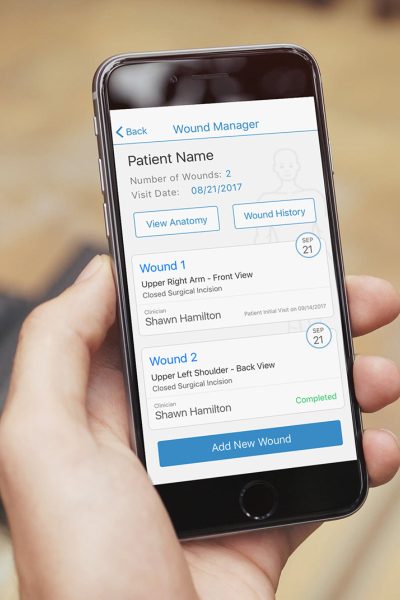
The Executive Problem
Wound care requires precise, consistent documentation to ensure proper treatment and healing over time.
However, many clinicians relied on manual, paper-based processes that made it difficult to document wounds efficiently and track progression across visits.
This created challenges such as:
- Inconsistent documentation across clinicians
- Limited visibility into wound history and progression
- Time-consuming data entry during patient care
- Increased risk of errors or missing information
The healthcare system needed a solution that could modernize wound documentation while supporting clinicians in real time.
My Leadership Role
I led the design strategy for creating a wound care platform that aligned clinical workflows with the need for speed, accuracy, and accessibility.
My responsibilities included:
Problem Discovery
Identifying key inefficiencies in wound documentation and clinical workflows.
Stakeholder Alignment
Collaborating with clinical experts, product teams, and engineers to define priorities and constraints.
Design Leadership
Guiding the experience to ensure usability in fast-paced healthcare environments.
Validation
Testing and iterating to ensure both clinical and operational needs were met.
Understanding the System
We began by analyzing how clinicians currently documented and managed wounds.
This included reviewing existing workflows, observing documentation practices, and identifying gaps in usability and efficiency.
We found that clinicians struggled to:
- Quickly document wound details during patient visits
- Accurately track wound progression over time
- Access patient information when it was needed most
These insights highlighted the need for a structured, visual, and mobile-first documentation experience.
Strategic Design Approach
Our strategy focused on simplifying documentation while improving accuracy and accessibility. Key priorities included:
Speed
Enable clinicians to document wounds quickly without interrupting patient care
Clarity
Present wound data and history in a way that is easy to understand and act on.
Confidence
Standardize how wounds are recorded to improve reliability across care teams.
The Solution
We developed a mobile wound care platform that allows clinicians to document and manage wounds in real time. Key capabilities included:
- Visual wound mapping on a body diagram
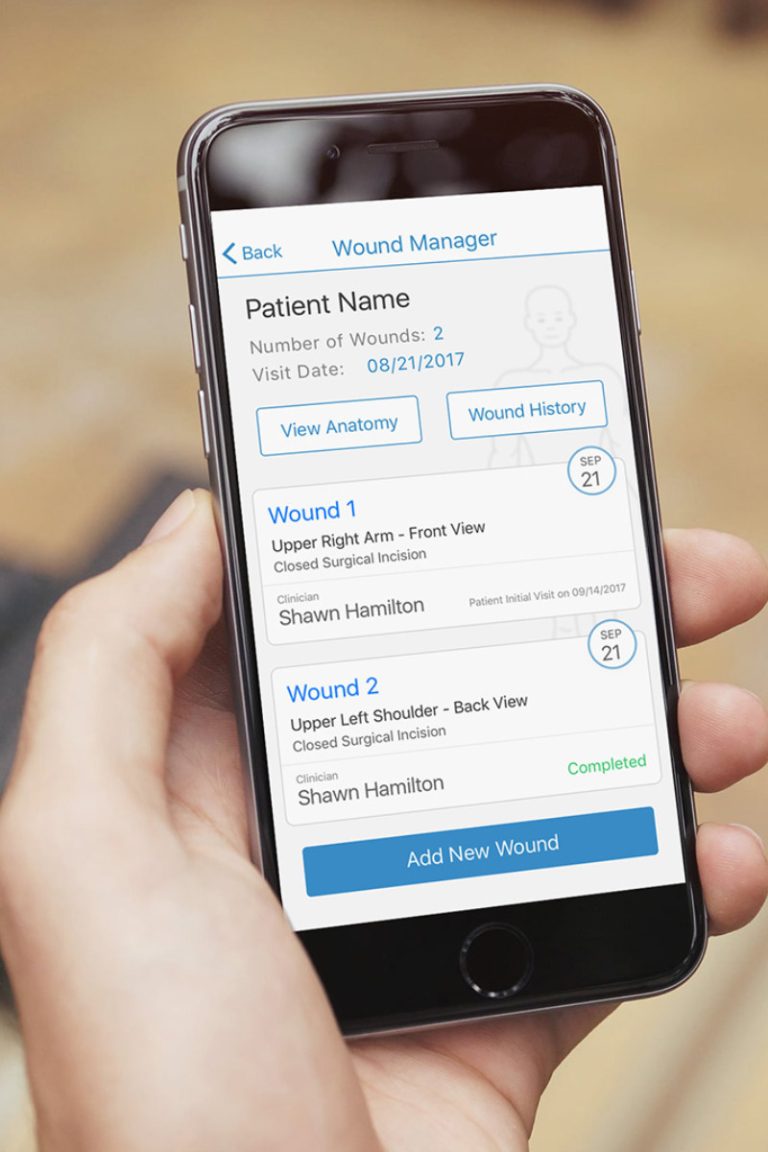
- Centralized patient dashboard with wound summaries
- Chronological wound history tracking
- Streamlined workflows for adding and updating wounds
- Secure data handling aligned with healthcare compliance standards
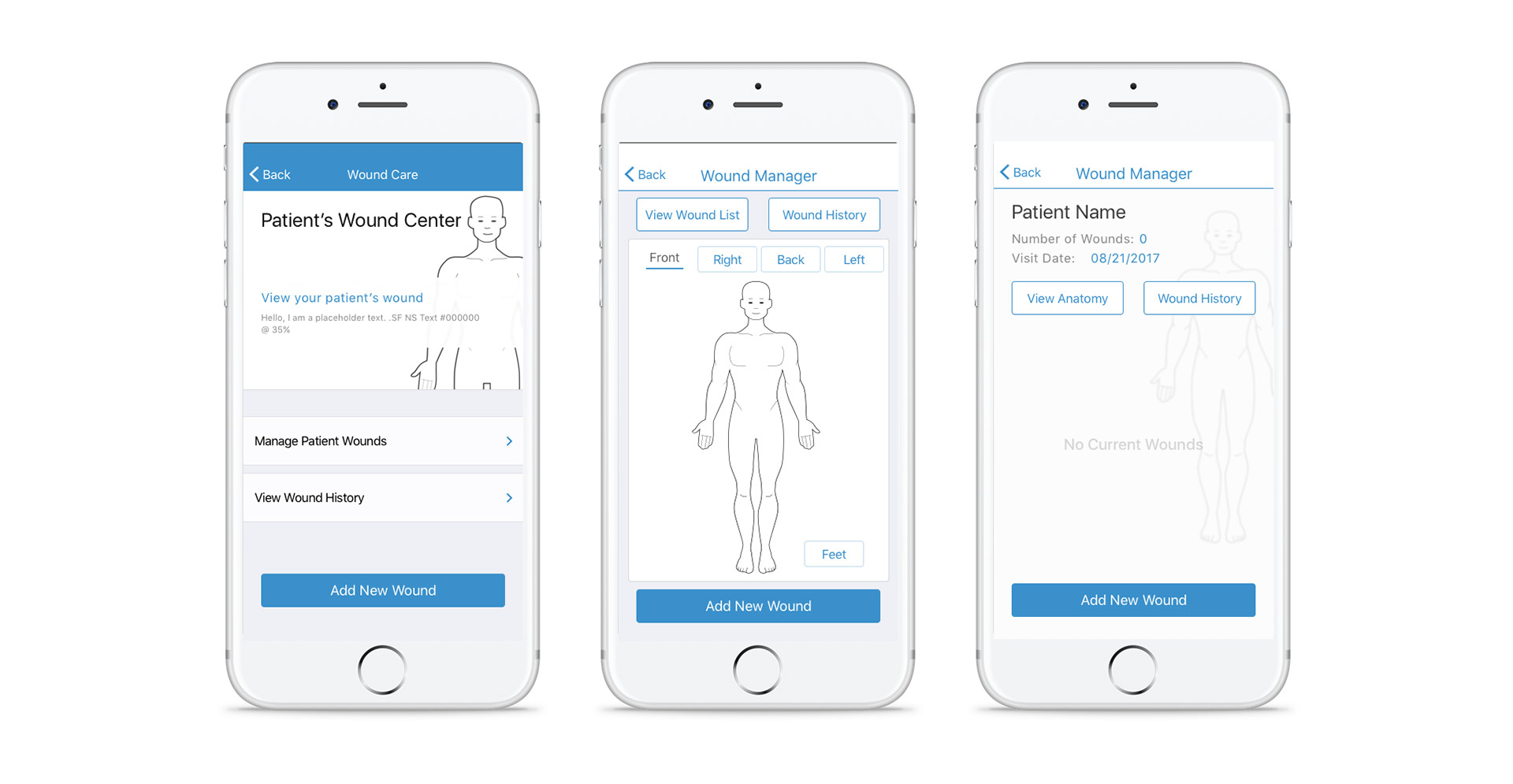
The platform supports clinicians during patient care while ensuring accurate, consistent documentation across visits.
Research & Validation
The project combined practical research with rapid iteration to ensure real-world usability.
Workflow Analysis
Studied existing documentation processes to identify inefficiencies and opportunities for improvement.
Concept Exploration
Developed and refined design concepts focused on speed and clarity.
Usability Testing
Validated the experience with users to ensure it supported real clinical workflows and constraints.
Results
The wound care platform improved both clinical workflows and documentation quality.
Business Impact
Reduced time required for wound documentation by 35%
Improved consistency across patient records, reducing errors by 15%
User Impact
Clinicians could document and access wound data more efficiently
Better visibility into patient progress and treatment history
What This Project Demonstrates
This project highlights how thoughtful product design can improve efficiency and quality in healthcare environments.
Key takeaways:
- Simplifying workflows can significantly reduce time and cognitive load
- Structured, visual experiences improve accuracy and consistency
- Designing for real-world environments leads to more effective and adoptable solutions
Have an opportunity in mind?
Let’s connect over coffee or have a quick virtual chat.