
Scaling service operations through product strategy and design leadership
Service Operations Transformation
A rapidly growing single-family home rental company struggled to scale its service operations due to fragmented systems and manual processes managing requests across thousands of homes. I led the product design strategy to unify these operations into a single platform—improving response times, increasing internal visibility, and delivering significant cost savings.
2022
Enterprise Software, Mobile (iOS + Android)
Product Leadership & UX Strategy
IMPACT:
-
$7.8M annual operational savings
-
Net Promoter Score improved by 3.3 points
-
Company-wide platform adoption across service operations teams
The Executive Problem
As the organization expanded across new markets, service operations became increasingly difficult to manage.
Service teams relied on disconnected tools and manual workflows to coordinate work orders, schedule technicians, and manage service requests.
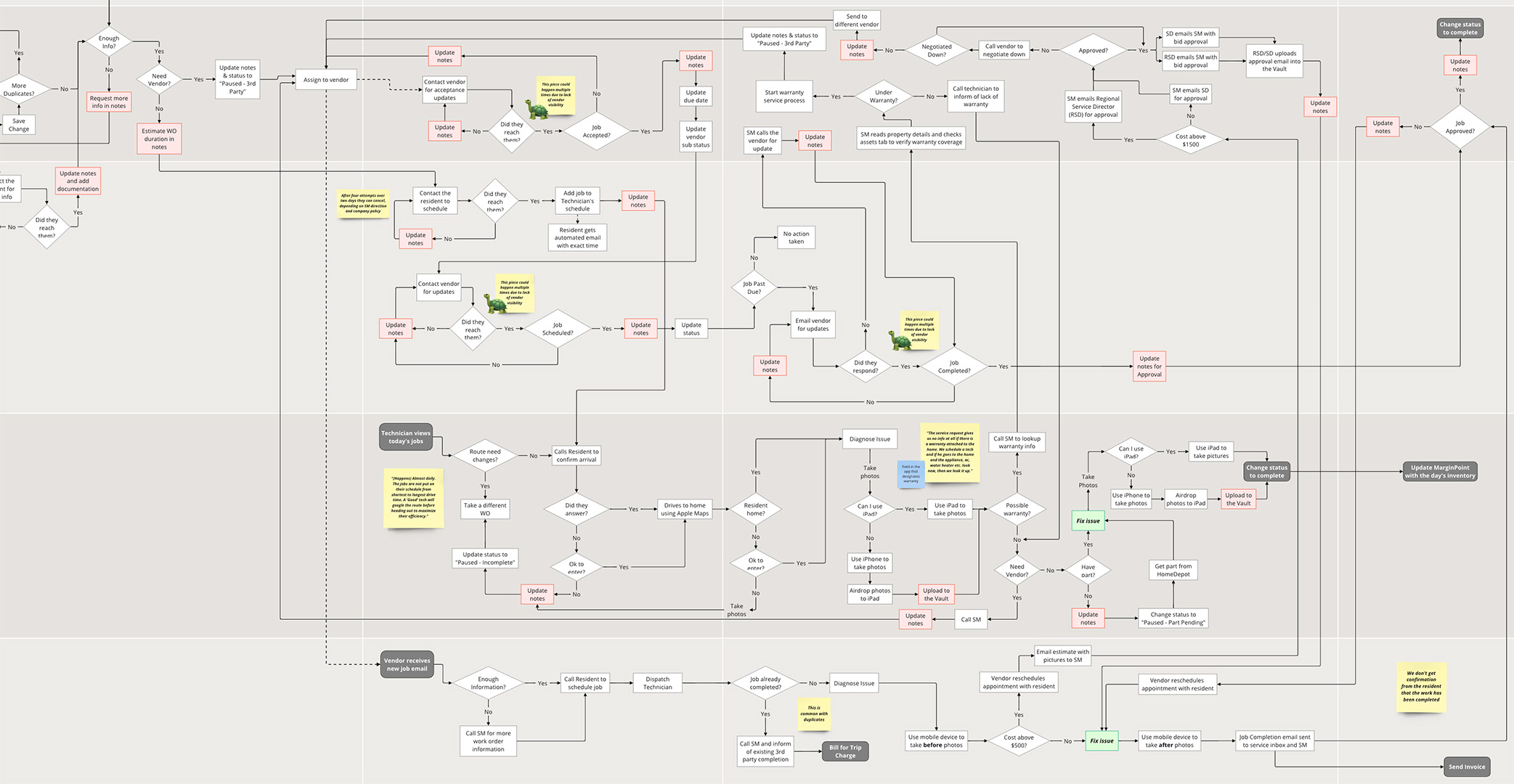
This created several challenges:
- Limited visibility into service activity
- Inefficient coordination between internal teams and field technicians
- Inconsistent service processes across markets
- Slow response times for residents requesting service
Leadership recognized that improving individual tools would not solve the problem. The organization needed a system-level redesign of service operations.
My Leadership Role
I led design strategy for the initiative and worked closely with product, engineering, and operations leadership to define and deliver the new service platform.
My responsibilities included:
Product Vision
Defining the long-term vision for a scalable service management platform that unified internal tools and field operations.
Cross-Functional Alignment
Facilitating workshops with operations leaders, product managers, and engineering teams to align on priorities, workflows, and success metrics.
Operational Discovery
Leading research efforts to understand how service operations functioned in real environments and where breakdowns occurred.
Experience Architecture
Designing the end-to-end service workflow across internal dashboards and mobile tools used by field technicians
Understanding the System
Before designing solutions, we needed to understand how service operations actually worked across the organization.
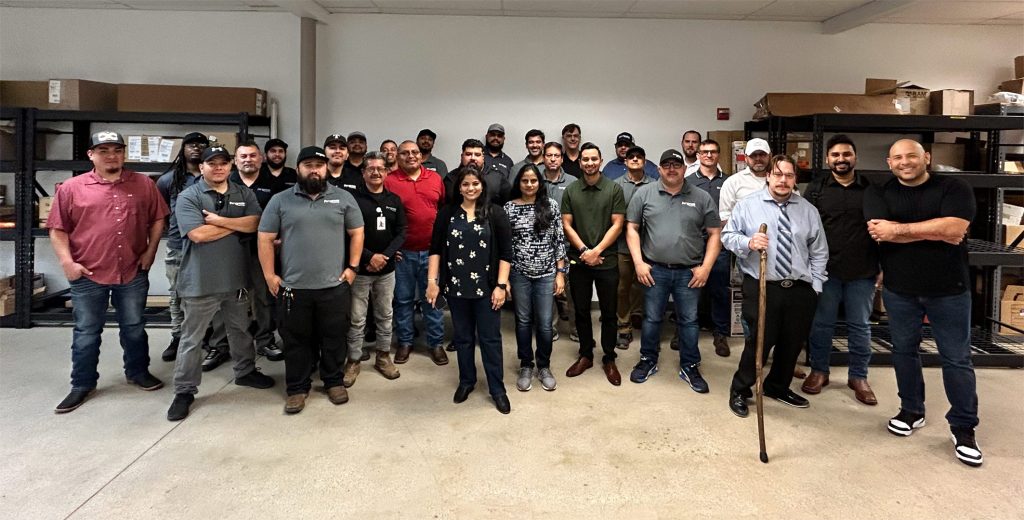
Our team conducted contextual research across multiple service locations, observing technicians and service coordinators in their day-to-day work.
This research revealed that much of the coordination required to manage service requests happened outside of formal systems.
Teams relied heavily on manual communication and workarounds to keep operations moving.
These insights reframed the problem from designing a better interface to designing a better operational system.
Strategic Design Approach
Rather than improving isolated tools, we focused on designing a unified platform that supported the full lifecycle of service operations. The strategy prioritized these three key areas:
Operational Visibility
Provide service teams with a clear view of service requests, technician assignments, and operational performance.
Workflow Efficiency
Reduce manual coordination between teams and streamline service request management
Field Enablement
Equip technicians with mobile tools that allow them to manage work orders and update job status in real time.
This approach ensured the platform addressed operational challenges at scale.
The Solution
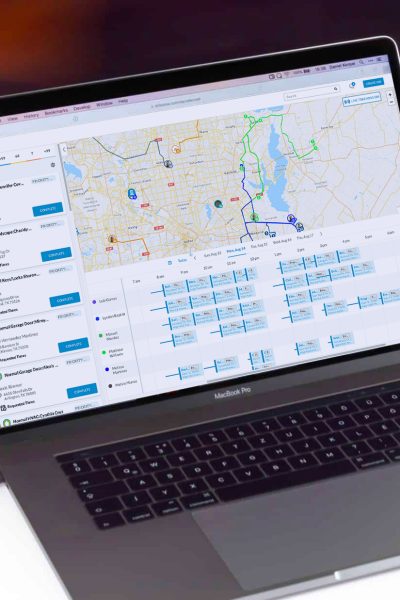
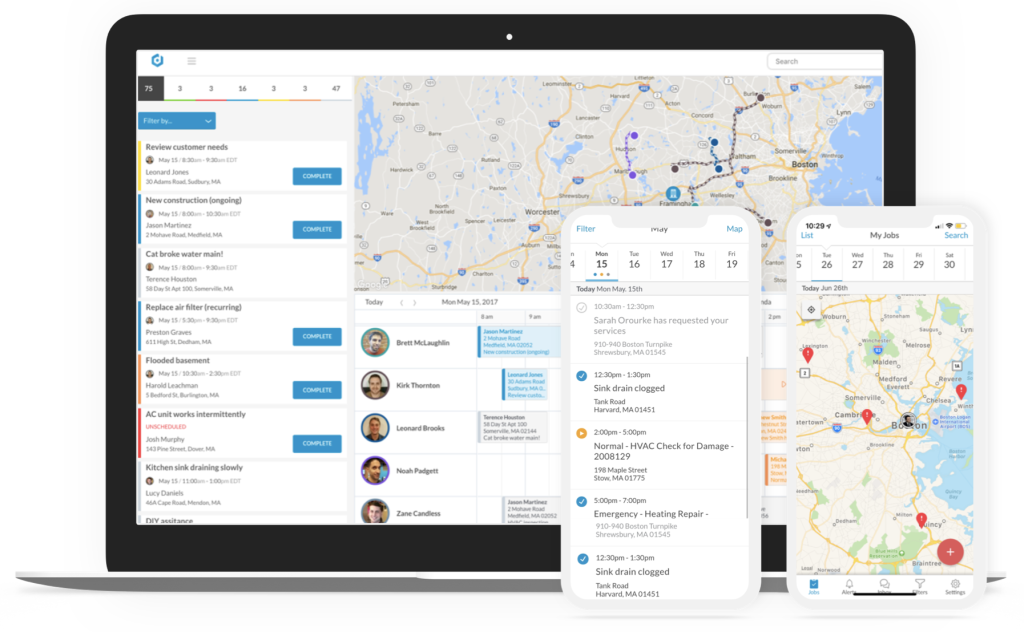
The resulting platform unified service operations into a single system that supported both internal teams and field technicians.
Key capabilities included:
- Centralized service request management across properties and markets
- Improved scheduling and dispatch workflows for technicians
- Mobile tools enabling technicians to manage and complete work orders in the field
- Real-time visibility into service activity and operational performance
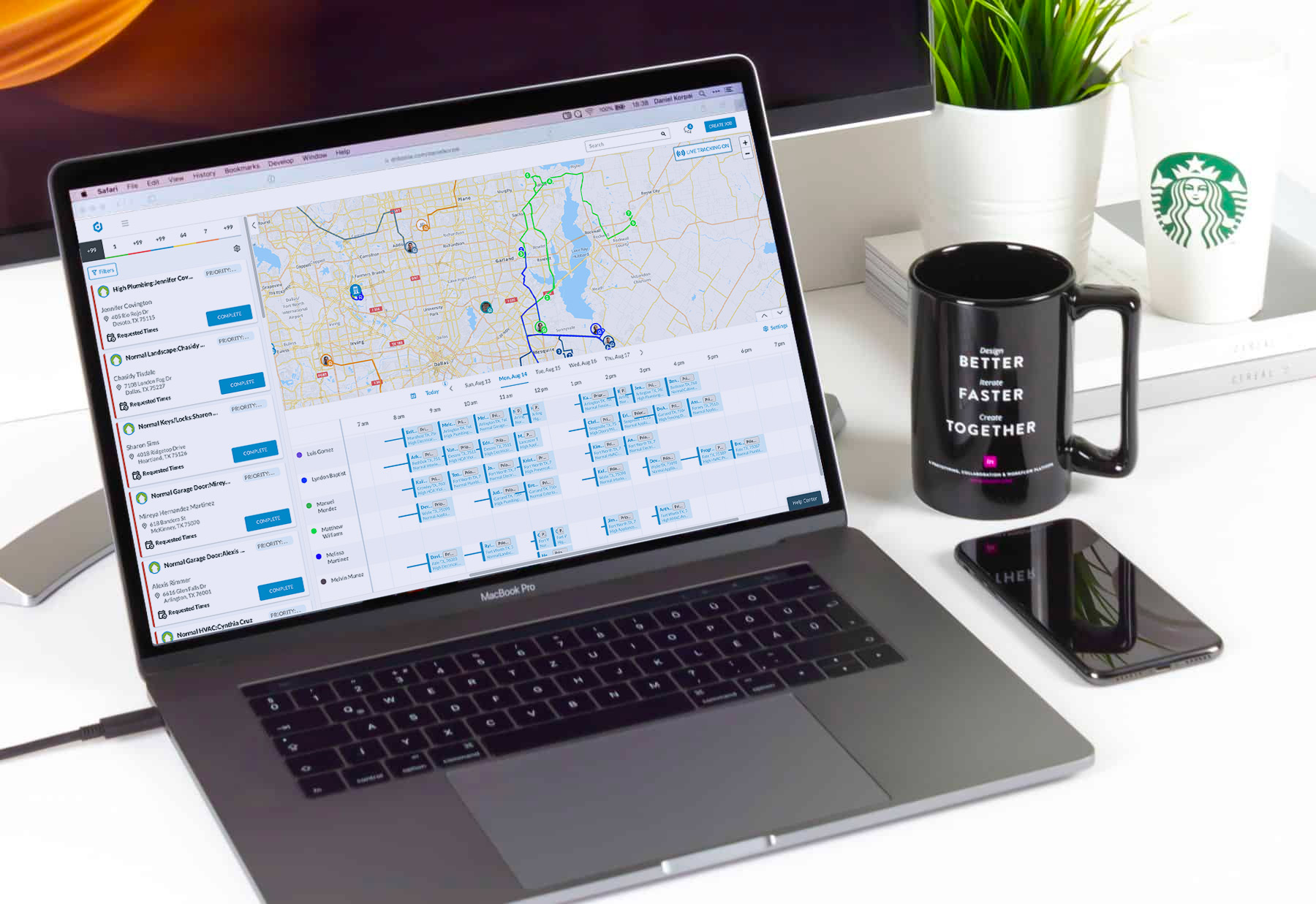
By consolidating fragmented workflows into a cohesive system, the platform significantly improved operational efficiency
Research & Validation
To ensure the platform met the needs of internal teams and field technicians, we validated solutions through several research cycles.
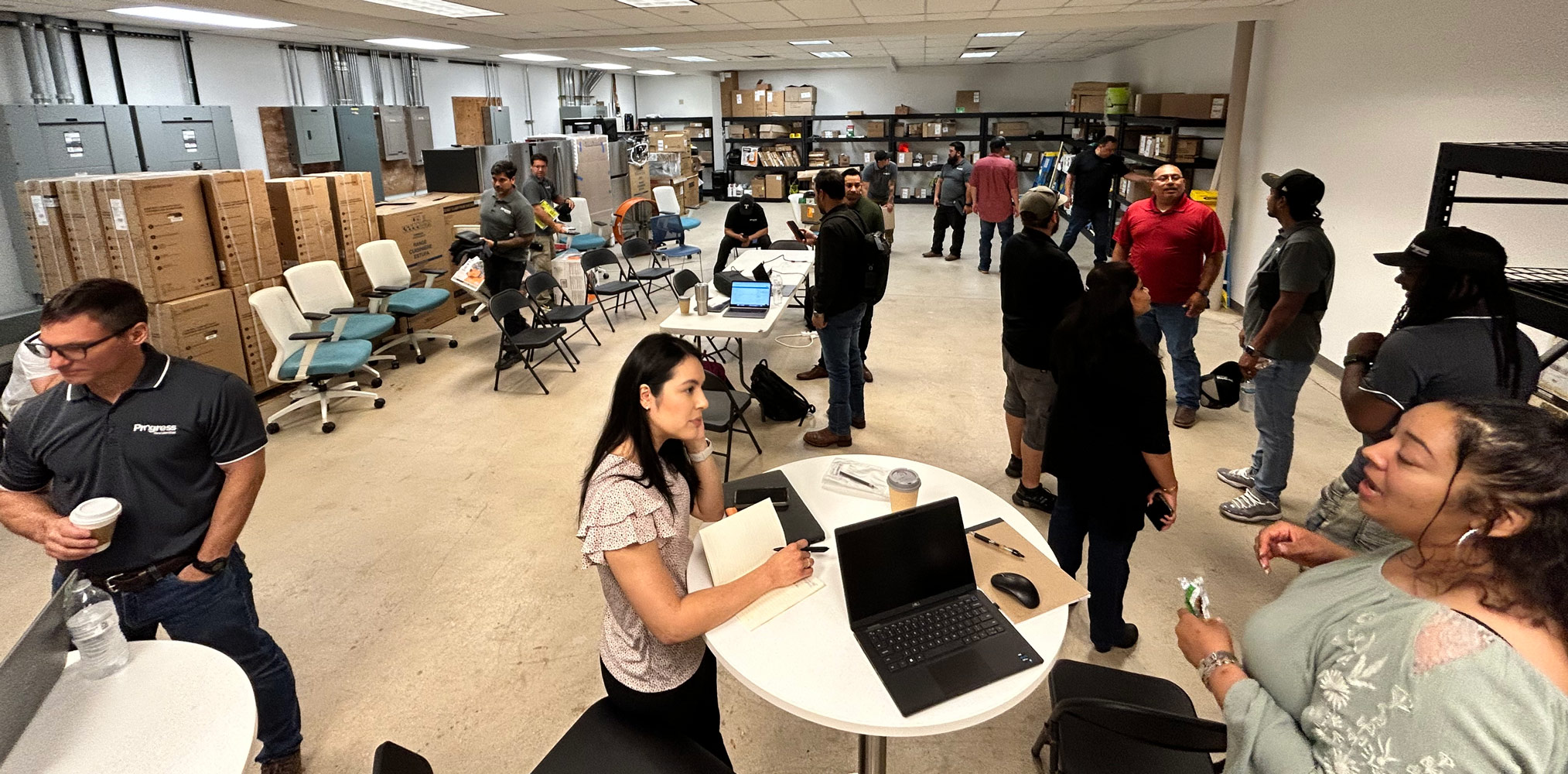
Contextual Research
Shadowed service coordinators and field technicians to understand real-world workflows.
Usability Testing
Validated early product concepts with internal users to ensure new workflows supported their daily responsibilities.
Pilot Launch
Released the platform in select markets to measure operational impact and gather feedback before expanding across the organization.
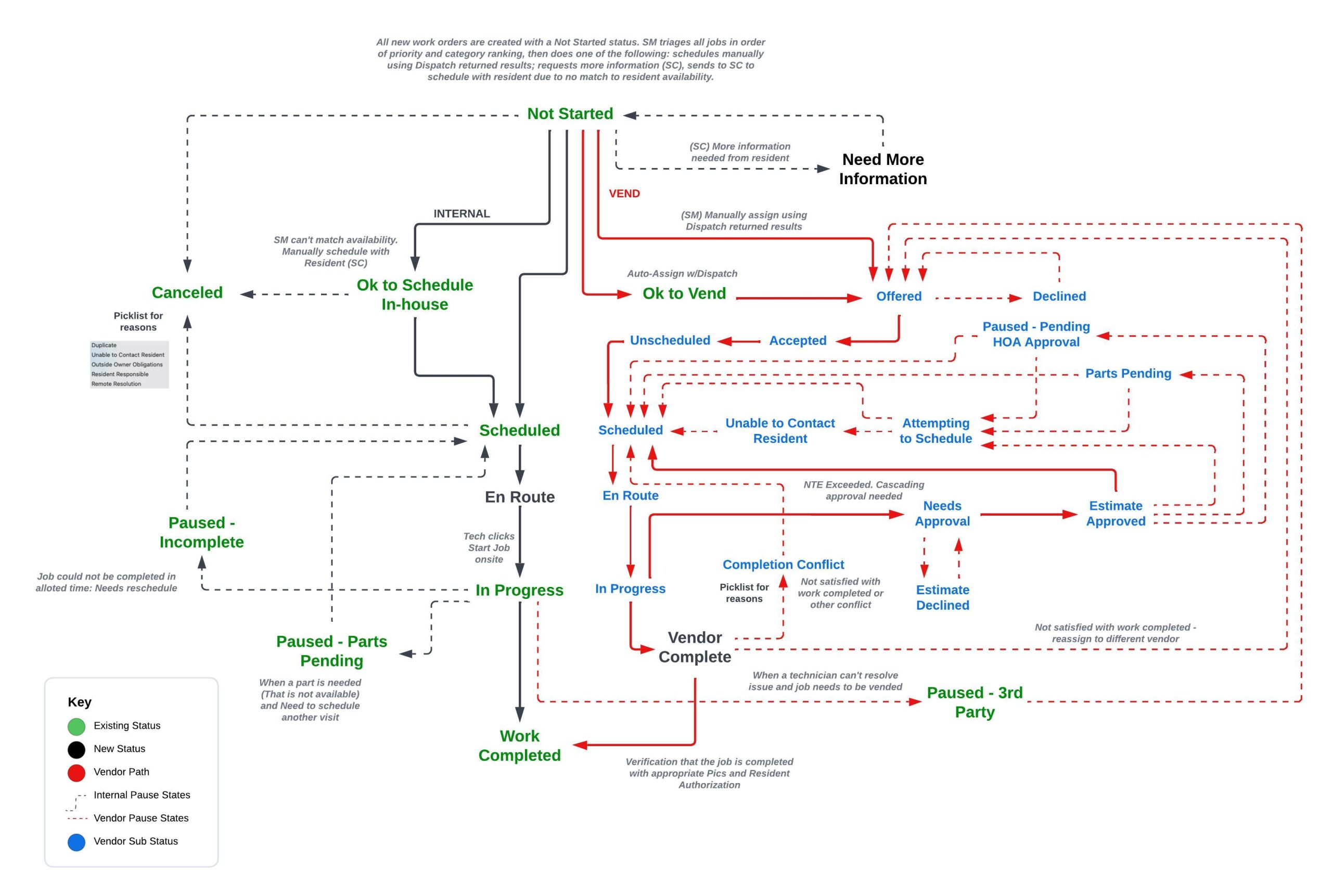
A new service workflow was created that leveraged the new digital product and supported greater efficiencies and transparency throughout the service workflow.
Results
The new service platform transformed how service operations function across the organization.
Operational Impact
- $7.8M in annual cost savings through operational efficiency improvements
- Reduced coordination overhead between teams
- Faster service request resolution
Customer Impact
- Net Promoter Score improved by 3.3 points
- Faster response times for resident service requests
- More consistent service experiences across markets
Organizational Impact
- Company-wide adoption of the new platform
- Improved alignment between product, operations, and engineering teams
- A scalable operational foundation for future growth
What This Project Demonstrates
This project highlights the role design leadership can play in driving operational transformation.
Key takeaways:
- Design leaders must operate at the system level, not just the interface level
- Successful product design requires deep collaboration with operations and engineering teams
- The most impactful design work aligns user experience with business strategy
Have an opportunity in mind?
Let’s connect over coffee or have a quick virtual chat.